
Category: Google | AI Apps | Tech News
Read time: 5 min
What if your phone stopped trying to hook you with an endless feed — and instead handed you a small, curated collection of personalized stories each morning, and then simply stopped?
That is the idea behind Dreambeans, Google’s latest experimental app launched on June 3, 2026, from its Google Labs division. It is one of the most unusual things Google has built in years — and depending on how you feel about AI accessing your personal data, it is either genuinely exciting or deeply concerning.

Here is everything you need to know.
What Is Dreambeans?
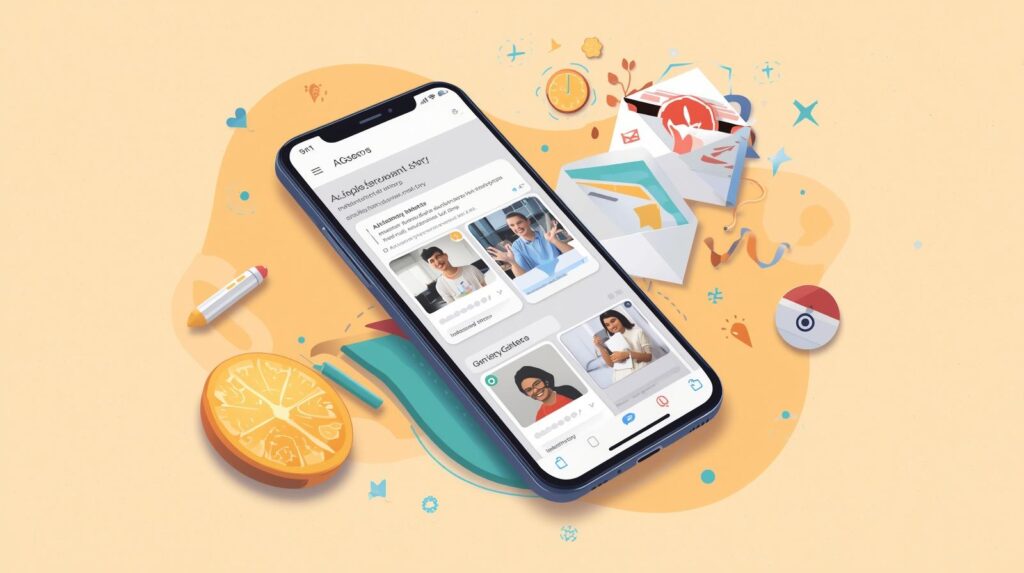
Dreambeans is an AI-powered app available on Android and iOS that reads your Google data overnight and presents you with a small, illustrated collection of personalized daily stories each morning — roughly 10 to 14 stories per day — and then stops.
No infinite scroll. No algorithm is trying to keep you glued to your screen. Just a fixed daily batch of ideas tailored to your life, and then you move on.
The product lead behind Dreambeans, Gozde Oznur, explained the name perfectly:
“The dream part is literal — while you sleep, the app is working through everything across your connected apps. The beans part is about how you start your day with a freshly brewed cup of coffee. It has processed everything overnight and hands you a concentrated drop of inspiration in the morning.”
How Does It Work?
Dreambeans is powered by two key Google technologies:
Personal Intelligence: With your permission, Dreambeans connects to your Google apps — Gmail, Google Calendar, Google Photos, YouTube, and Search history — and uses these signals to generate stories relevant to your actual life. Not generic recommendations. Stories tied to what you have been doing, planning, and searching for.
For example:
- A Gmail confirmation that your puppy’s treats were delivered → Dreambeans surfaces dog training tips
- A Google Calendar reminder that a friend is visiting → Dreambeans recommends dog-friendly restaurants nearby
- Your YouTube history → relevant articles and content suggestions based on what you have been watching
Nano Banana 2 — Google’s Image Model. Every story comes with a unique full-screen illustration generated by Google’s Nano Banana 2 image model. When a story involves you or people you know, the app can pull from your Google Photos to paint their likeness into the artwork — making the stories feel genuinely personal rather than generic.
What Kinds of Stories Does It Create?
Stories in Dreambeans generally fall into a few categories:
| Story Type | Example |
|---|---|
| Lifestyle nudges | New coffee shop near your home |
| Upcoming plans | Tips related to a calendar event |
| Interests & hobbies | Articles tied to your YouTube history |
| Local recommendations | Dog parks, restaurants, and events nearby |
| News & web content | Articles from the web based on past searches |
Each story is a starting point. Tap into one, and Dreambeans pulls in additional information from across the web to help you take action — booking a class, finding a location, or exploring a topic further. Favourite stories can be saved to a personal library.
The Big Idea: Fighting the Doomscroll
This is what makes Dreambeans genuinely different from every other recommendation app.
Most apps — Instagram, TikTok, YouTube, Google Discover — are designed around one goal: keep you scrolling as long as possible. Their algorithms are optimized for engagement time, not your well-being.
Dreambeans deliberately does the opposite. The daily story count is capped. Once you have seen your batch for the day, that is it. The entire design philosophy is built around giving you a handful of useful ideas in the morning and then letting you get on with your day.
Oznur noted that she had been tracking other companies chasing the same idea — including Bond, a startup building AI-generated lifestyle suggestions. The appetite for an alternative to the bottomless feed is clearly growing.
Privacy: What Happens to Your Data?
This is the question most people will ask — and fairly so. Dreambeans asks for access to some of your most personal Google data.
Here is what Google says about privacy:
- Only you can see your stories — no one else has access
- Each data connection is opt-in — you choose which apps to connect; Dreambeans requires at least one, but you control the rest
- You can delete your data at any point
- Choices made in Dreambeans are separate from your Personal Intelligence settings in other Google products like Gemini or AI Mode
- Your data does not train Google’s AI models, according to the company
The honest reality is that this app requires a significant degree of trust in Google. You are giving it access to your email, calendar, photos, and search history simultaneously. Google has made the privacy controls as transparent as possible — but whether that level of access feels comfortable is a personal decision each user must make for themselves.
Who Can Use It Right Now?
Dreambeans is currently in an early rollout phase:
- Available to: Google AI Ultra subscribers, aged 18 and over, in the United States
- Platforms: Android and iOS
- Everyone else: Can join the waitlist at labs.google/dreambeans using a personal Google account
This follows a pattern from Google Labs — limited early access, gather feedback, then expand. The earlier Labs experiment that generated a daily “Your Day Ahead” email briefing from Gmail, Calendar, and Drive followed the same path.
Is This the Future of AI-Powered Apps?
Dreambeans is part of a much larger trend: tech companies are now using the personal data already sitting in your cloud accounts to build proactive, AI-generated experiences — rather than waiting for you to search for something.
Google is betting that users will prefer a morning briefing tailored to their actual life over an endless feed of algorithmically selected content. It is a compelling idea. The execution — and the privacy trade-off — will determine whether it becomes a mainstream habit or remains a niche experiment.
What is clear is that Google is serious about this direction. Between Dreambeans, the Personal Intelligence integrations in AI Mode, and the earlier CC agent experiment, Google Labs is systematically testing how much of your digital life people are willing to let AI organize on their behalf.
Bottom Line
Dreambeans is one of the most interesting and unusual apps Google has launched in years. It is genuinely thoughtful in its design — capped daily stories, personal illustrations, opt-in data connections — and it addresses a real problem that millions of people feel: digital overload.
If you are a Google AI Ultra subscriber in the US, it is worth trying. For everyone else, the waitlist is open — and this is one experiment worth watching closely.